Marvin Flores Unger Para Sites (2021)

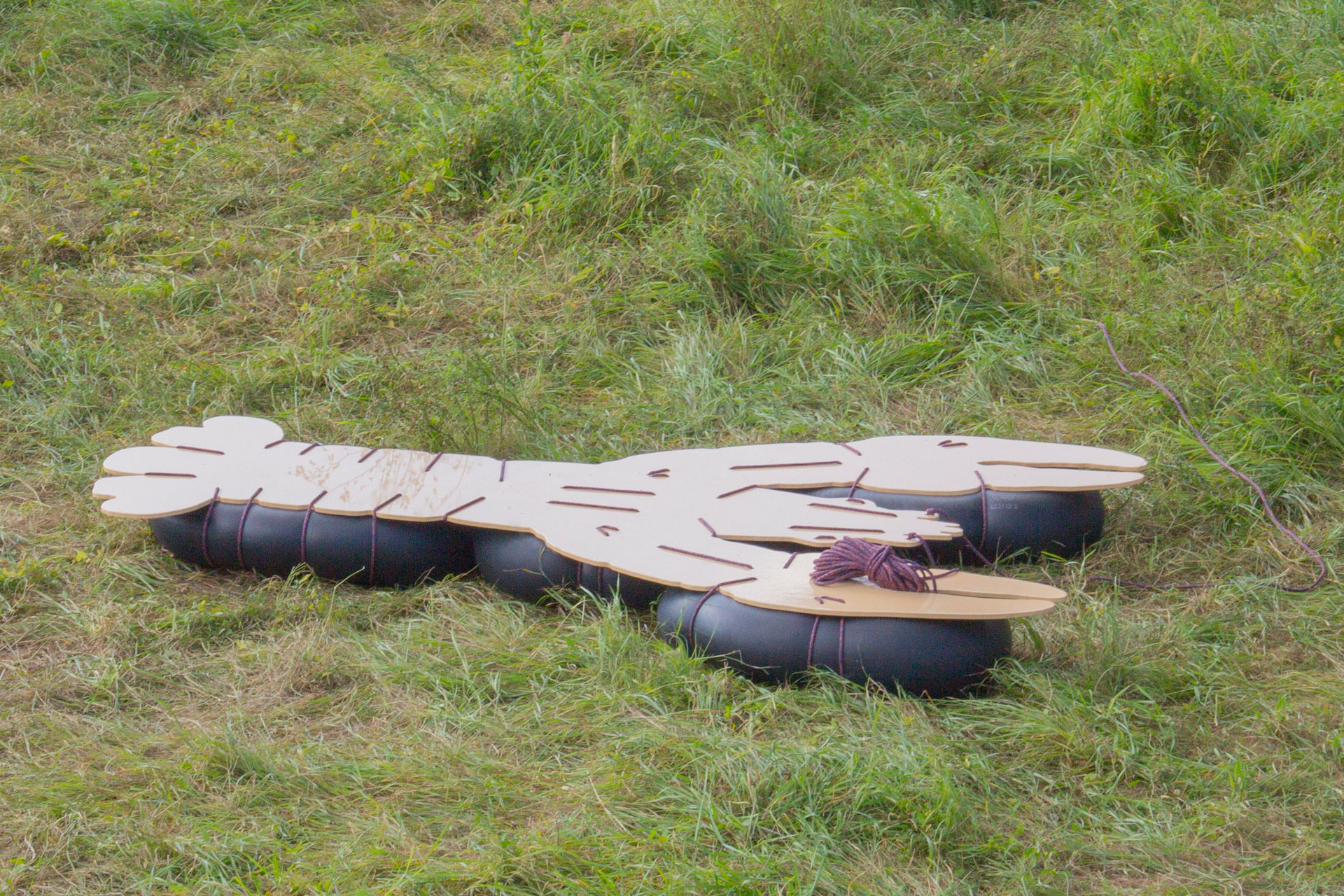
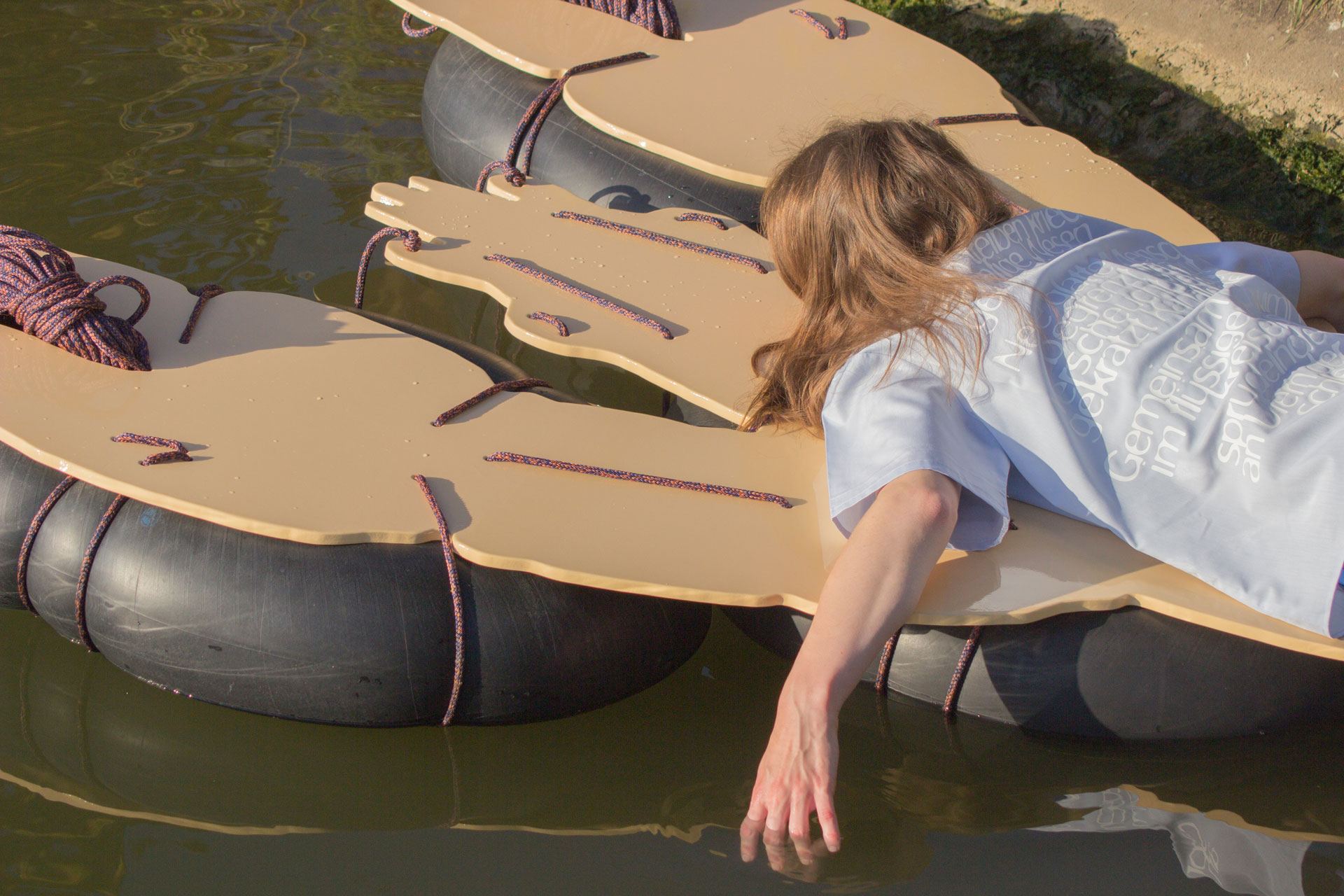
Para Sites researches intersections between the river ecosystem of the Neckar and local inhabitants. The amphibious object was build for a performance during CURRENT Festival Stuttgart 2021.

Close-up of the Steinkrebs crayfish in the Neckar river, highlighted in the Para Sites project

For Para Sites, we researched and processed the complex implications of industry-focused interventions on the wild river Neckar. Wondering about ways to make the urban area around the river more livable for both human and non-human beings, we propose a fundamentally altered self-image of the Neckar-people as toxic beneficiaries (parasites) of the river. The common neglection of the sensitive endemic organisms of the river is illustrated by highlighting the motif of the Steinkrebs. This species of crayfish has been living it’s quiet life around the banks of the Neckar for hundreds of thousands of years, relying on natural, stony banks and pure, cool water to survive.

It is therefore severely threatened by the thoughtless canalization, chemical pollution and warming of the river caused by humans. Shifting people away from an unconsciously violent relationship with this precious body of water and its complex ecosystems towards a more sensitive attitude facing its potential livelihood is the focus of the project. The low-cost amphibious platform offers the opportunity to regain a direct, multisensoric relationship with the traumatized river from a close distance, thereby encouraging a way of recognizing it beyond the notion of the Nutzgewässer.
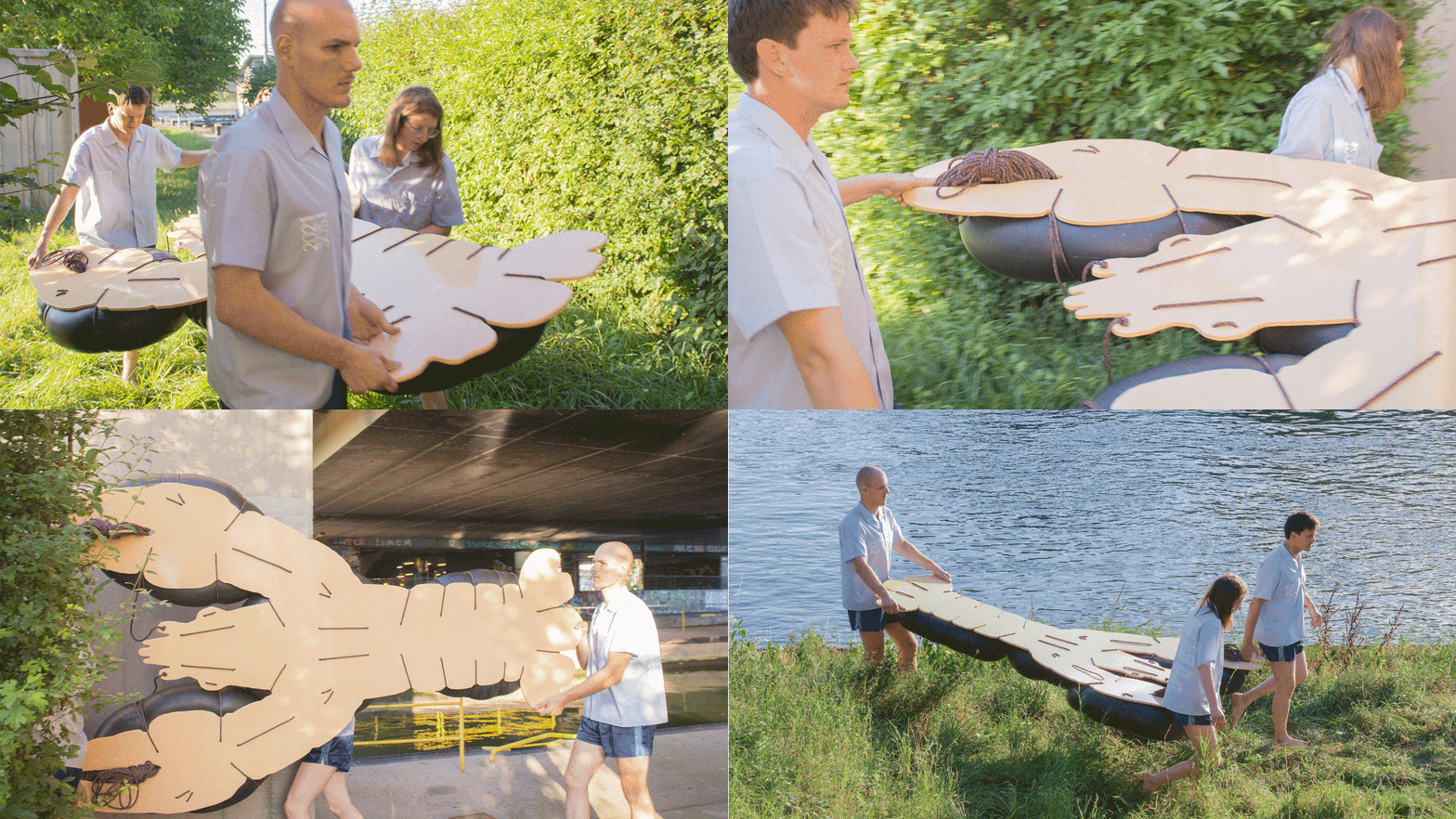
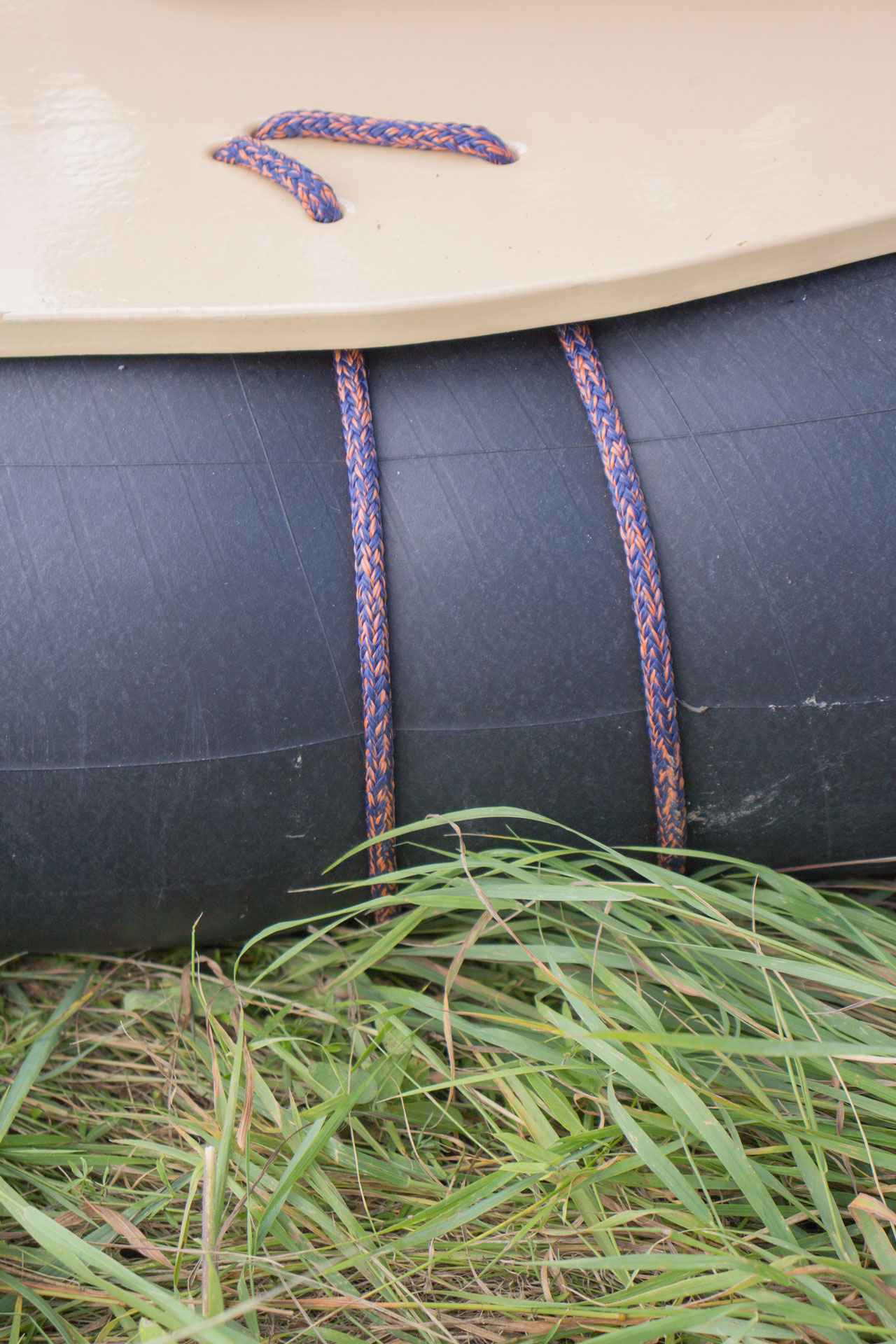
Performance of the Para Sites amphibious object during CURRENT Festival Stuttgart 2021 Amphibious platform of the Para Sites project interacting with the Neckar river ecosystem Close-up detail of the Para Sites amphibious object showing materials and construction
Map showing the distribution of Steinkrebs crayfish along the Neckar river, used in the Para Sites ecological research project
Adult Steinkrebs crayfish observed in the Neckar river for the Para Sites amphibious platform research

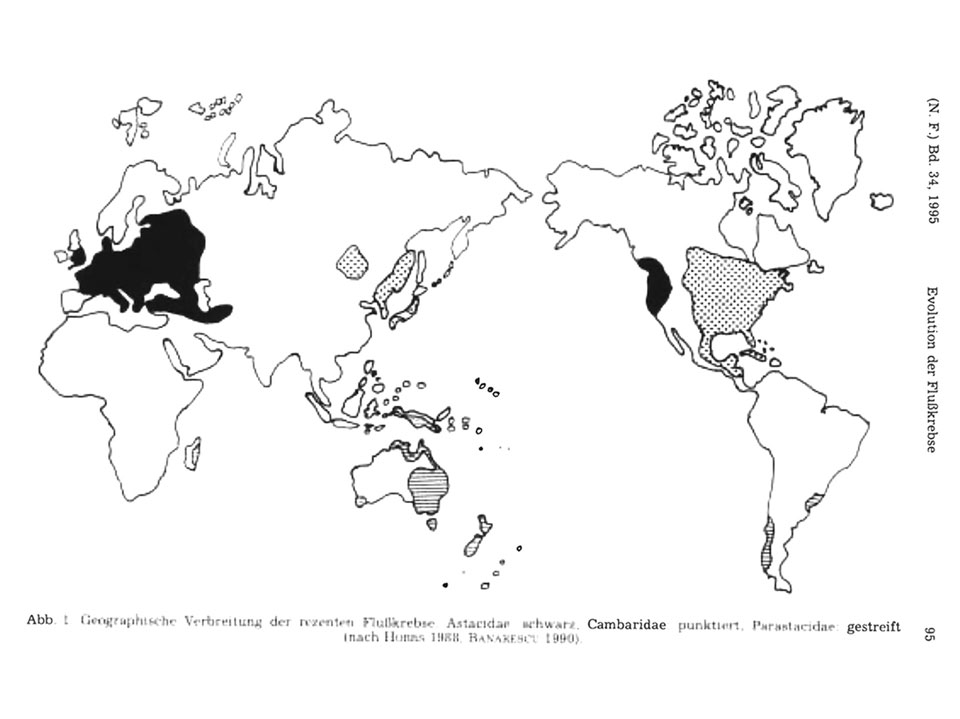
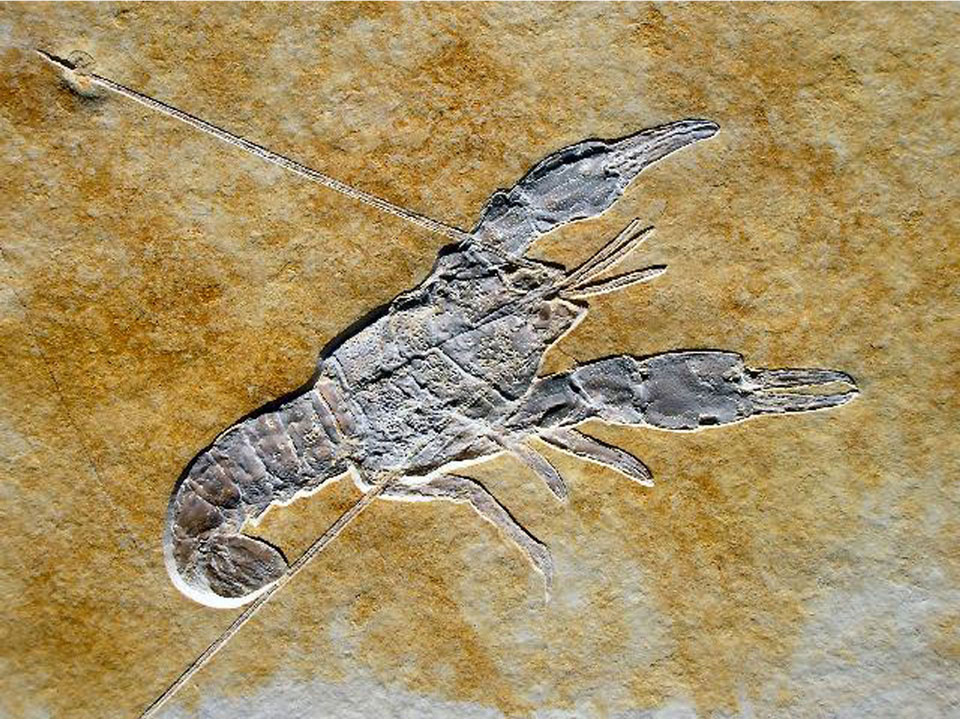
The Steinkrebs is an ancient species whose presence spans hundreds of thousands of years. A world map shows its geographical distribution, while a fossil emphasizes its deep historical roots and ecological continuity.

View of the Neckar river in Bad Cannstatt highlighting the habitat studied in the Para Sites environmental research project
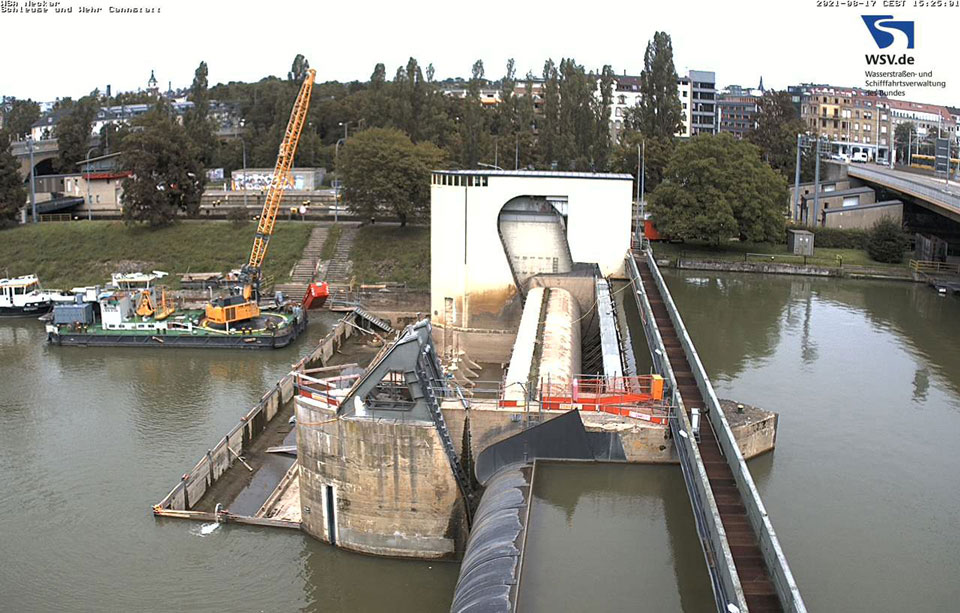
Research site at the Neckar river weir in Bad Cannstatt for the Para Sites project documenting human and ecological interactions

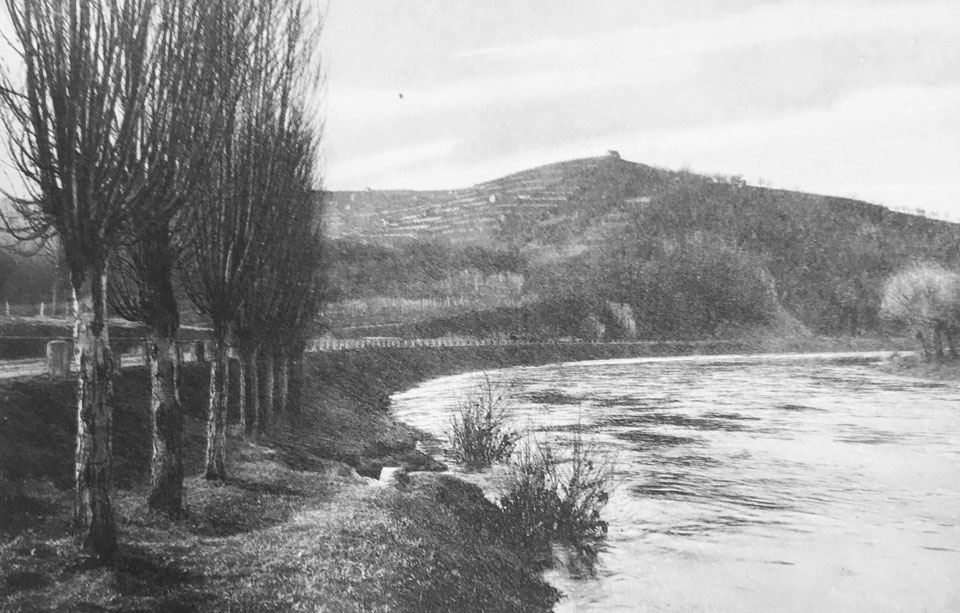
Historic images of the Neckar river reveal natural banks that once provided ideal habitat for the Steinkrebs. Modern interventions, such as the weir, have disrupted these environments, highlighting the human impact on the species and its fragile ecosystems.
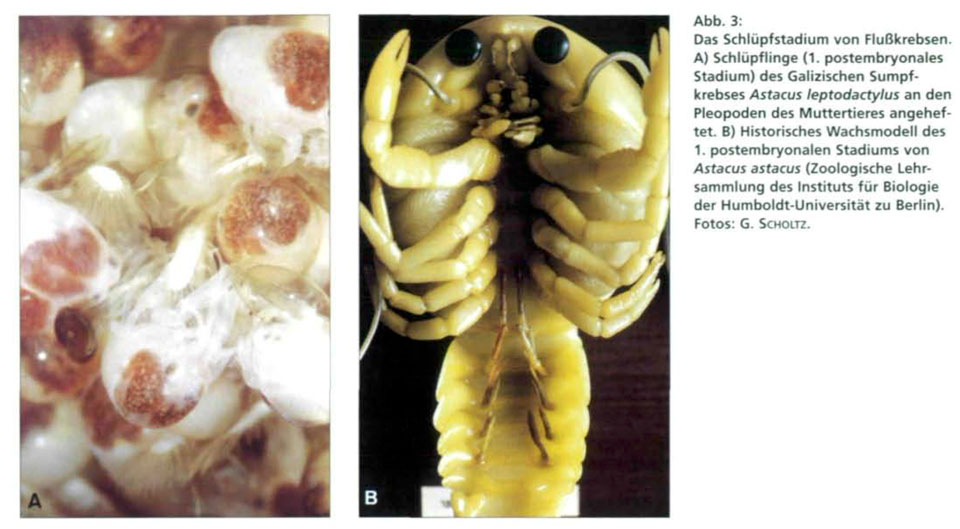
Close-up of a juvenile Steinkrebs crayfish in the Neckar river as documented for the Para Sites research-artistic project
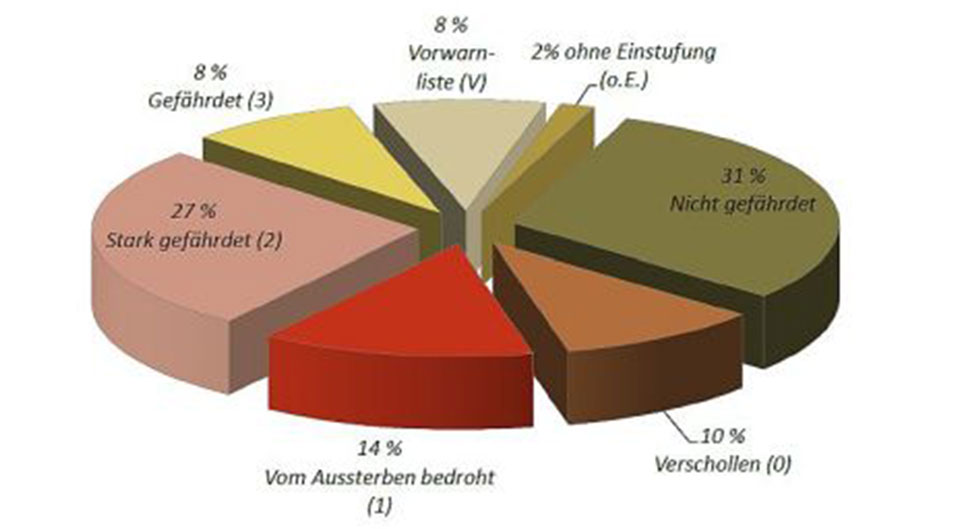
Excerpt from the Red List of Baden-Württemberg showing the endangered status of Steinkrebs crayfish highlighted in the Para Sites project

Juvenile Steinkrebs illustrate the vulnerability of new generations, while the Red List confirms their status as an endangered species. These images underscore the urgent need for awareness and protection of this sensitive riverine life.

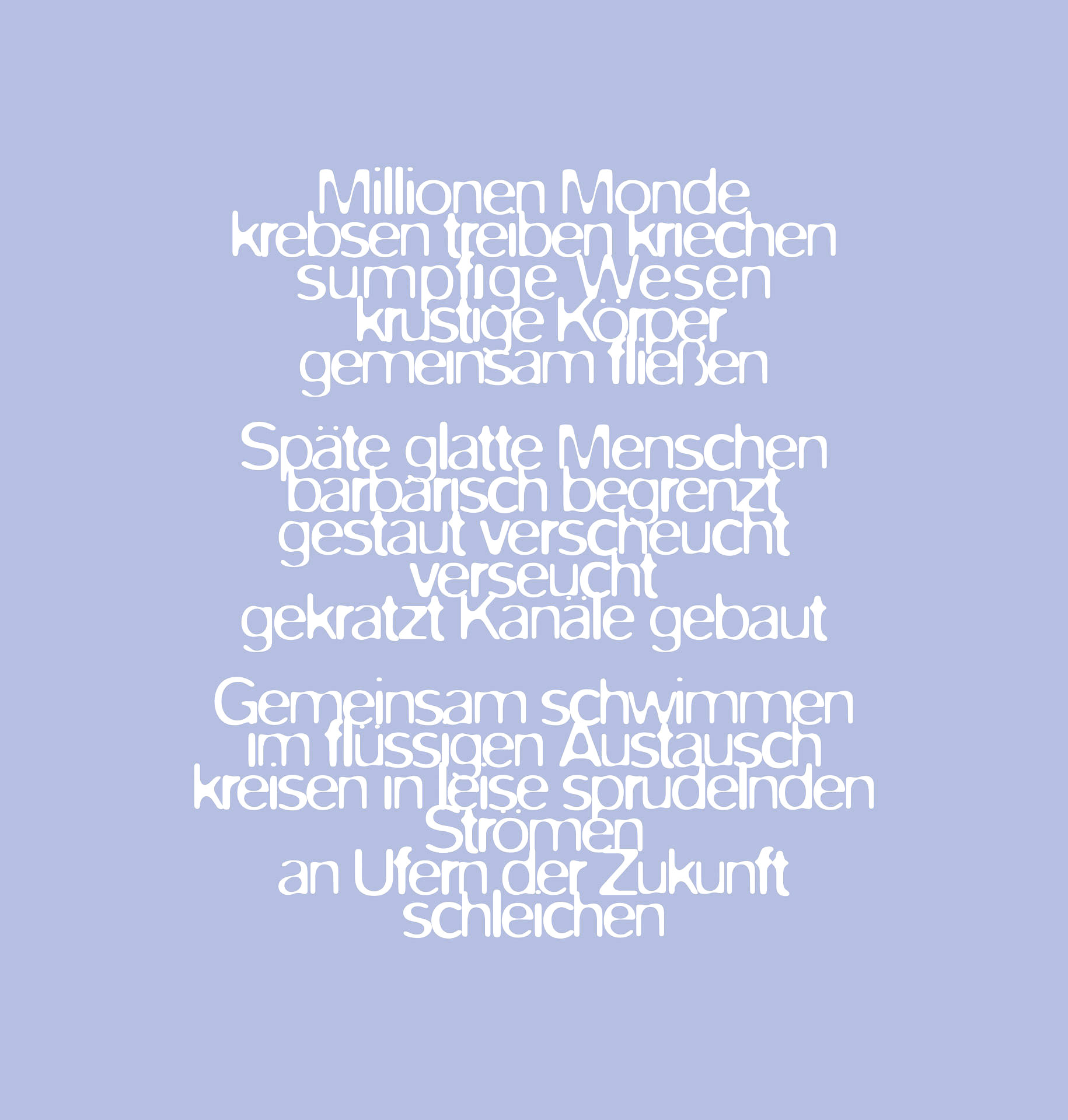
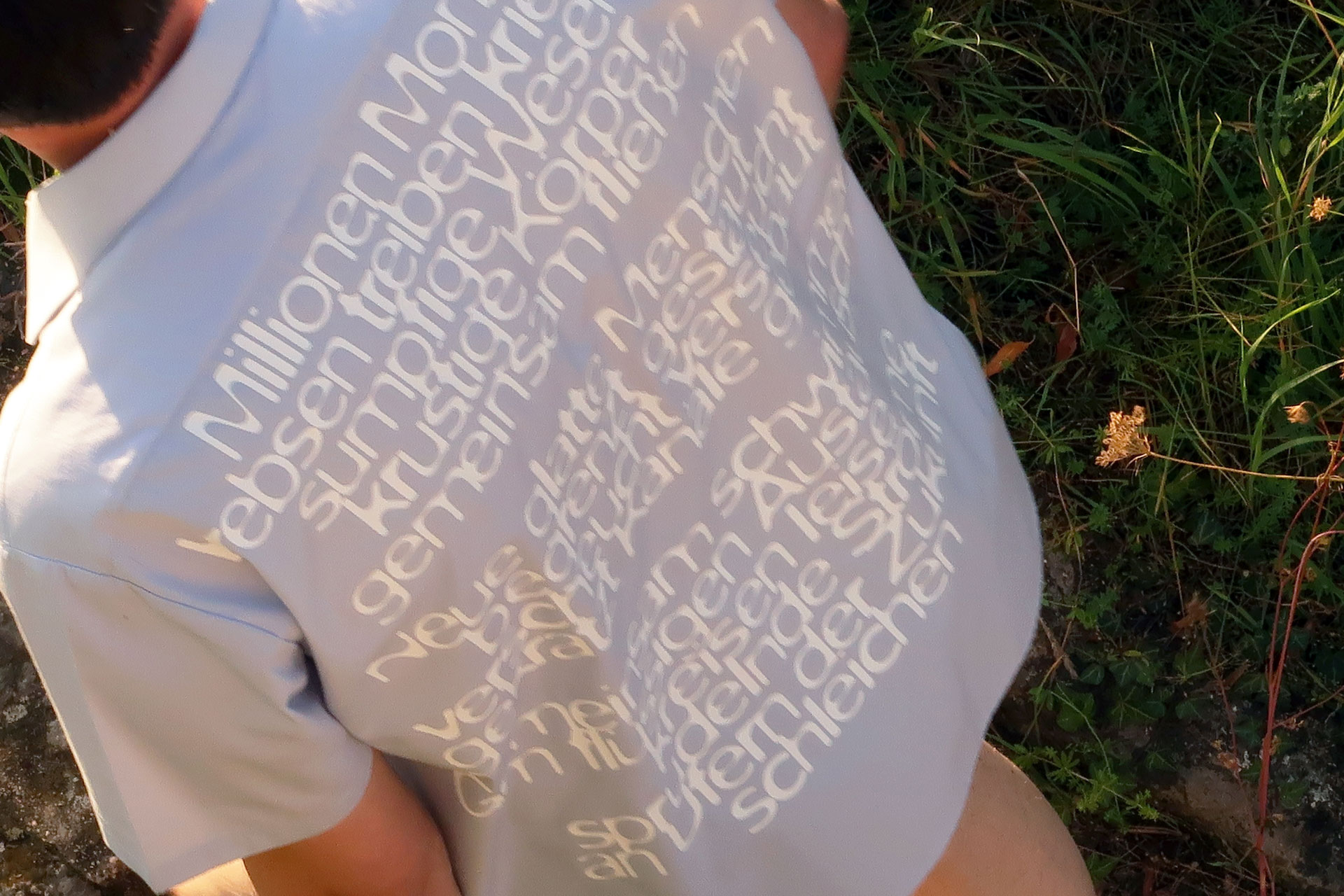
T-shirt with text-based artwork inspired by the Para Sites project, connecting cultural narratives with Neckar river ecology Presentation of the Steinkrebs to the public at Neckarschleuse in Bad Cannstatt, Para Sites project

The Steinkrebs was presented to the public on 12.09.2021 at the industrial facility of the Neckarschleuse in Bad Cannstatt, in the framework of an Initiation.

Credits Para Sites

Artist: HP Lutsch with Marvin Flores Unger
Performer: Johanna Schneider
Stakeholder: Agency Apéro, Neckarinsel, Stadtlücken
Photos: Alexander Schultz, Nikolina Popovic, Felix Plachtzik
Performer: Johanna Schneider
Text: HP Lutsch
Special Thanks: Klingele Papierwerke

Sponsors and Partners